Our review system is designed to be straightforward and easy to understand. Most people just want to know whether a game is good or not, preferably with some information that supports our opinion. Our reviews are geared toward directly and clearly addressing what matters most to you. We understand that this approach is the quickest way for you to decide whether a game piques your interest.
How we classify games?
Our reviews start with some technical information about the game itself and the conditions in which we experienced it. While we adhere to certain guidelines when providing this information, it’s not always feasible to follow them all. The dynamic nature of the gaming market introduces various challenges to achieving a 100% accurate classification, such as games being ported between different platforms or undergoing remasters or remakes.
In general, the classification rules we adhere to are as follows:
- Platform: This refers to the original platform of the game under evaluation, even if it is being played on a different system. For instance, when reviewing an NES game played on a Nintendo Switch via Nintendo Switch Online, the platform listed will be NES.
- Versions Played: Here, we list all versions of the game that we played, starting with the platform serving as the basis for the review. In the example above, the information would be listed in the order “Nintendo Switch Online (base platform used in the review), NES (game’s original platform – if played on this console).” It’s essential to note that we begin with the platform used for the review and then include other versions played by the team.
- Developer: This denotes the main developer of the game, though it may include multiple developers.
- Publisher: This identifies the publisher of the game, typically just one.
- Other Versions: We mention other known versions of the game, even if we haven’t played them.
- Release Date: Here, we provide the release date of the games. Our aim is always to include the original launch date and to respect market differences when necessary.
- Genre: This includes the main and secondary genres of the game. We use our knowledge and consult various online databases for this classification.
- Where to Play Now: We always include the most practical and accessible way to play the game officially at the time of the review’s publication. However, it’s important to note that over time, this information may become outdated.
What we review?
We exclusively review complete games available on their original platforms or more modern systems. We do not review demos or beta versions, and we minimize our evaluation of games in development, like those in Early Access. This approach ensures that all games are reviewed on an even playing field.
Moreover, due to the diverse business models and distribution methods for games, crafting universal rules that apply to all models is somewhat challenging. This is especially true for collections, games with evolving platform features, titles receiving frequent updates, remakes and remasters, as well as those classic expansion packs. In such cases, we established some guidelines for our approach, though each case is addressed individually.
- Collections of the original games (e.g., Mega Man Collection, Castlevania Collection): These collections are reviewed based on their extras, accessibility, and player options. Each game within the collection can also be assessed individually, considering its original platform.
- Collections with remastered games (e.g., Super Mario All-Stars): In these cases, we rate not only the extras but also the improvements made to the games. The collection may or may not be compared to other games, but the individual games within the collection are not reviewed separately.
- Remasters/Remakes/Ports (e.g., Last of Us, Pokémon FireRed, Zelda Wind Waker HD, Ultima III): Defining what constitutes a remaster, remake, or port can be a contentious issue. It’s important to note that especially in the 1980s, games were often ported across different platforms with substantial changes, almost akin to remakes. Therefore, our analysis always aligns with the specific platform version to avoid confusion with other iterations. In our reviews, we can discuss differences from the original game and provide fair comparisons, but we focus on the version being reviewed.
- Expansion Packs/DLCs: Expansion packs significantly enhance games by adding substantial content. For example, Warcraft 3’s expansion, The Frozen Throne, introduced new units, balance changes, and an entirely new campaign. We strive to review the entire package, but we may concentrate on the primary game if the DLCs do not contribute significantly.
- Games Receiving Frequent Updates (e.g., Terraria, No Man’s Sky): We evaluate these games in their state at the time of the review. If a substantial update significantly alters the game’s evaluation, we may append an update to the review, addressing the changes and modifying the evaluation accordingly.
- Games Functioning as Platforms (e.g., Fortnite, Roblox): We assess these games primarily based on their original and/or core premise, treating other aspects as supplementary.
How we review?
To keep our reviews simple and to the point, we structured them as follows:
- About the Game: A high-level description of the game, including its general concept, a brief history, and its gameplay style.
- Gameplay Overview: A description of the gameplay, covering controls, design, and available game options.
- What’s Good: We highlight the game’s positive aspects and what sets it apart from others.
- What Could Be Improved: We address the game’s negative points.
- Technical Features: An assessment of the game’s visual (graphics) and auditory (music and sound effects) elements.
- Comparative Analysis: We compare the game to similar titles of its era and platform.
- Is It Worth It: We deliver our verdict on whether the game is worth playing and who it’s most suitable for.
This format forms the core of all our reviews, aiming to be concise, direct, and engaging. Generally, we limit each section to no more than two paragraphs, though this is not set in stone. Additionally, we include handy game tips and intriguing trivia when relevant!
This comprehensive evaluation leads to a game concept assessment, rating it as good, bad, average, excellent, terrible, etc., according to our opinion. The numerical score is not the focus; it’s the concept that matters. However, for organizational purposes, we assign a numerical value from 0 to 10, with half-point variations to provide finer distinctions, such as “very good” or “almost excellent.”
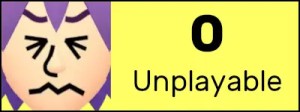
These games are as playable as a broken accordion, or they are not games at all, even though they’re marketed as such. Don’t even think about spending your precious time with one of these!

Abominable games that wouldn’t know fun if it bit them on the joystick. These games are like the digital equivalent of a “Do Not Enter” sign – heed the warning and spare yourself the agony.
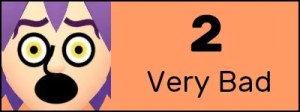
These games are like party poopers in the world of gaming. They show up uninvited, bring no fun to the table, and make a mess of things with their technical blunders.
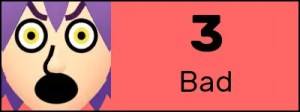
Bad games typically suggest that it’s best to avoid them. These titles usually come with a laundry list of issues, from wonky gameplay mechanics to pesky bugs and level design that’s about as exciting as watching paint dry.
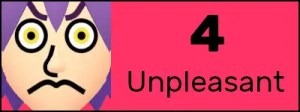
These are games that are somewhat amusing, yet you’re left feeling like there should have been more. Maybe some people can find them entertaining, but don’t count on it.

This score is like giving a participation trophy at the game of gaming. These games manage to scrape by the bare minimum requirements for what a game is. They still have many issues, but they fulfill their purpose entertaining us.

These games may not shine in the technical department and often have a shorter lifespan than a mayfly’s romance. However, don’t dismiss them just yet, for hidden amidst their quirks, there are redeeming qualities present.

These games are the good stuff. They’ve got their basics down pat and come with a solid recommendation. A few factors prevented them from achieving a higher score, and whether those factors are deal-breakers is for you to decide.
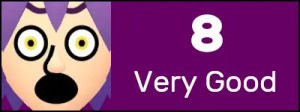
These games are the cream of the crop – oodles of fun with a sprinkling of imperfections that keep them from reaching the tippy-top. Still, they’re rock-solid choices that’ll leave you grinning from ear to ear.
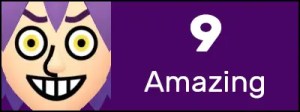
Spectacular games that not only serve up heaps of fun but also secure a lasting place in the annals of gaming history. They’re the gold standard of their era, setting the bar sky-high.

A score reserved for games that transcend the mere realms of greatness and amazingness, like they’ve achieved the impossible – coming as close to perfection as any game can dare to dream.
Full reviews
We recognize that certain games are exceptional enough to warrant a more in-depth review, delving further into what makes them special. In such cases, we provide a Full Review, which expands on the elements mentioned above and explores the game’s significance, its impact on the industry, and other pertinent details. These games are typically among the best, though it’s not a strict rule. What’s important is that the game is unique enough to merit a more comprehensive analysis.
And that sums up our evaluation system. We hope this information helps you make informed decisions about whether to play a game or not. Ultimately, the most crucial thing is that you have fun, as that’s the ultimate goal of our hobby.
HAPPY GAMING!
 Citsgames