

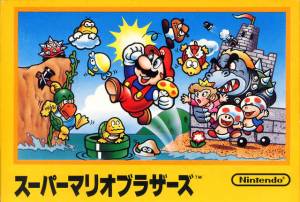
Box art

Technical Information
Platform: NES
Versions played: Nintendo Switch Online, NES, Wii Virtual Console
Developer: Nintendo
Publisher: Nintendo
Other versions: Game Boy Advance
Release date: Sep/13/1985 (JP); Oct/18/1985 (US)
Genre: Platformer / Puzzle
Where to play now: Nintendo Switch Online
The foundation of the current gaming industry
We can always have a lively debate about gaming tastes – discussing which game is the best, the most fun, or boasts the finest gameplay. That’s all fair and square, considering everyone has their unique preferences, background, and gaming experiences. However, convincing anyone that the most pivotal game ever isn’t Super Mario Bros. is like trying to argue that pineapple belongs on pizza – nearly impossible. In the grand tapestry of video game history, Super Mario Bros. stands tall, a towering monument whose significance goes beyond its pixelated landscape. Launched in 1985 for the Nintendo Entertainment System (NES) by the genius Shigeru Miyamoto, this game didn’t just introduce players to the adventures of a mustachioed plumber named Mario; it practically midwifed an entire industry.
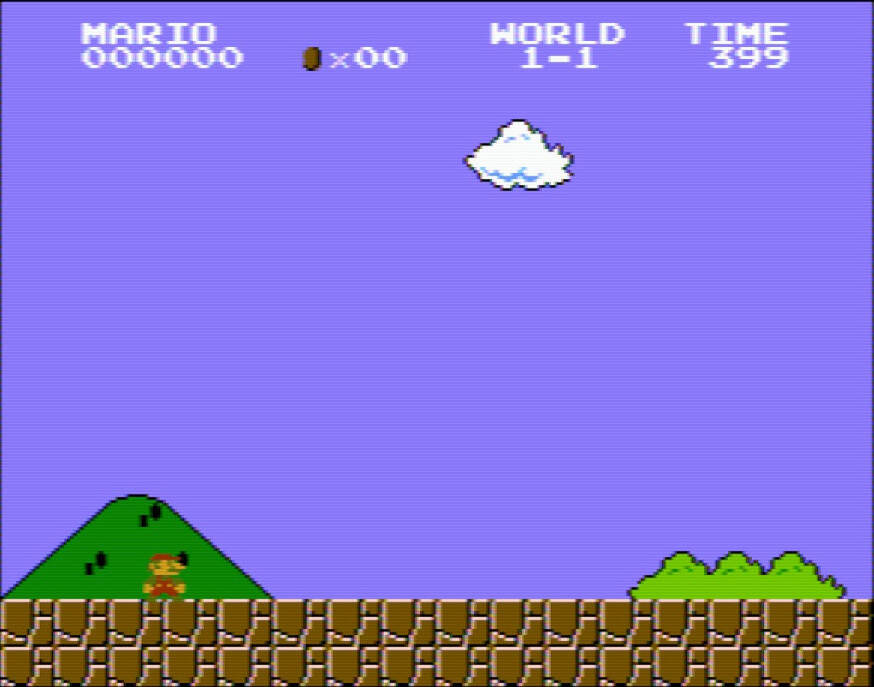
(credit: Citsgames, Nintendo)
Super Mario Bros. wasn’t just a game; it was a cultural juggernaut that shifted the gaming paradigm. A departure from the simplistic arcades of its time, this game ushered in the era of console gaming, proving that a home system could deliver an immersive experience rivalling, if not surpassing, the coin-devouring cabinets of arcades. Nintendo took a bold gamble, bundling this game with the NES, and it paid off handsomely. Super Mario Bros. became the flagship title that transformed the system from a mere gaming console into a cultural phenomenon, essentially turning every NES owner into a certified member of the Mushroom Kingdom.
This game was more than just a technological marvel; it was a masterclass in level design, introducing players to a world of meticulously crafted challenges that tested their skills and creativity. The Mushroom Kingdom became a playground of discovery, with each level serving as a lesson in game design excellence. Super Mario Bros. laid the blueprint for side-scrolling platformers, establishing conventions and standards that countless games would follow. The plumbing hero Mario, alongside his brother Luigi, became household names, and the concept of navigating pipes and stomping on Goombas became ingrained in the collective gaming consciousness. In essence, Super Mario Bros. wasn’t just a game; it was the cornerstone upon which the modern gaming industry was built.
About the Game
Super Mario Bros. emerged as a revolutionary force in the gaming world, taking Mario from the confines of the original Mario Bros. arcade game into a sprawling, side-scrolling world filled with vibrant colors, imaginative creatures, and challenging obstacles. Developed by Shigeru Miyamoto and Takashi Tezuka, Super Mario Bros. marked a pivotal moment in video game history, transitioning the industry from the arcade era to the dominance of home consoles. It showcased Nintendo‘s game design prowess, setting a new standard for platformers.
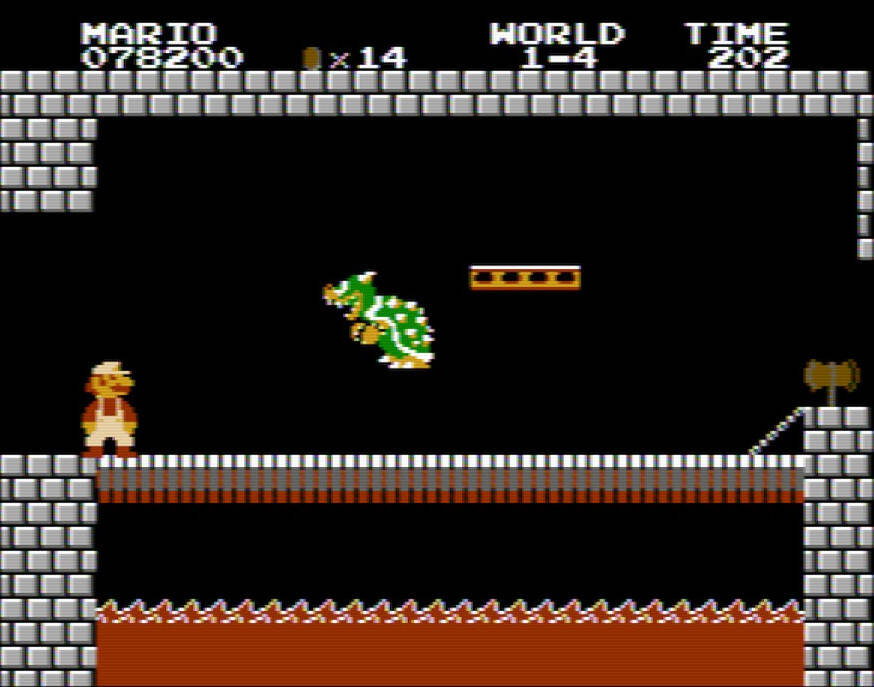
In terms of premise, Super Mario Bros. introduced players to the Mushroom Kingdom, a fantastical land ruled by Princess Toadstool. The nefarious Bowser, King of the Koopas, kidnaps the princess and plunges the kingdom into chaos. Players take control of Mario, a mustachioed plumber, on a quest to rescue the princess and restore order. The game unfolds across eight worlds, each comprised of four levels, as Mario navigates through iconic environments such as the grassy plains of the Mushroom Kingdom, treacherous underwater zones, and fiery castles guarded by Bowser himself. The Mushroom Kingdom became a timeless setting, and its exploration remains a cherished memory for players around the world.
The objective of Super Mario Bros. is clear: guide Mario through perilous landscapes, overcome obstacles, stomp on enemies, and reach the flagpole at the end of each level. The ultimate goal is to rescue Princess Toadstool from the clutches of Bowser. Along the way, players collect power-ups like the Super Mushroom and Fire Flower, enabling Mario to grow in size and shoot fireballs. The innovative level design, coupled with memorable characters and a dynamic soundtrack, made Super Mario Bros. an instant classic. Its straightforward yet challenging gameplay captivated audiences and laid the foundation for the platforming genre.
How Is the Gameplay
Super Mario Bros. revolutionized gameplay with its intuitive and responsive controls. Mario‘s movements, from running and jumping to navigating pipes, felt as smooth as butter on a hot Koopa shell. The simple yet effective control scheme, using just the directional pad and two buttons (one for jumping and one for running/fireballs), allowed players to focus on the immersive world and challenging obstacles. This simplicity contributed to the game’s accessibility, making it easy for players of all ages to grasp the controls while providing the depth needed for skilled play.
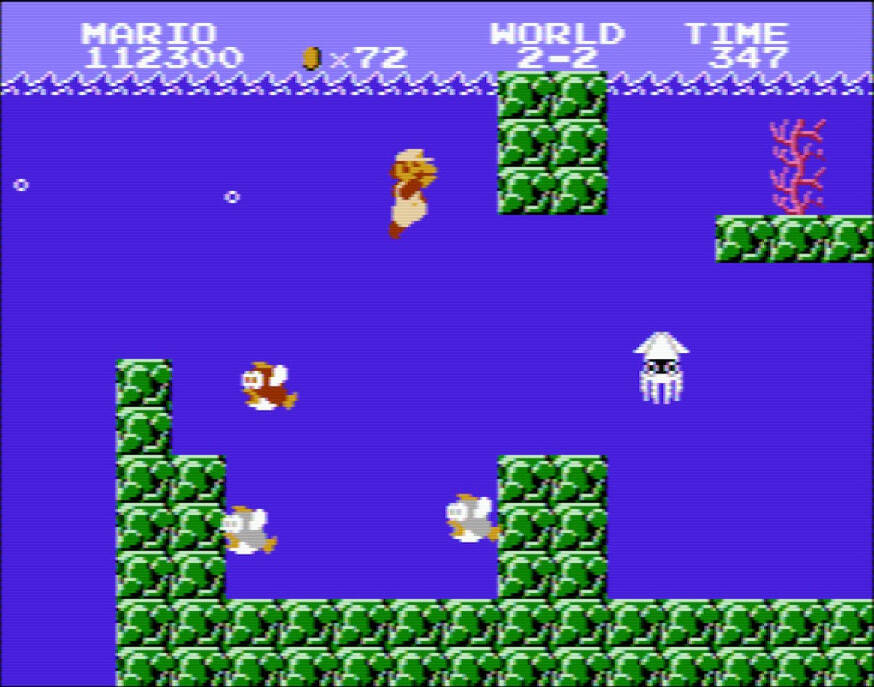
(credit: Citsgames, Nintendo)
The genius level design of Super Mario Bros. remains a hallmark of its enduring success. Each level presented a meticulously crafted challenge, introducing new elements and enemies while building on established mechanics. The iconic warp zones added an element of strategy, enabling players to skip ahead to later worlds. The diverse environments, from the underwater depths to towering flagpole-topped castles, showcased the developers’ creativity and attention to detail. Notably, the game employed the concept of hidden secrets, encouraging exploration and rewarding players who ventured off the beaten path. The combination of tight controls and imaginative level design set a new standard for platformers, influencing countless games in the years that followed.
What’s Good About the Game
Super Mario Bros. excels in its gameplay, marked by controls so tight they could give Bowser‘s grip a run for its money. The controls are a masterclass in simplicity, allowing players to seamlessly navigate the Mushroom Kingdom with Mario‘s iconic moves. The tight responsiveness of the controls enhances the overall gaming experience, whether players are gracefully traversing platforms or skillfully avoiding enemies. The level design is equally commendable, presenting a perfect balance of challenge and reward. Each world introduces fresh obstacles, enemy types, and environmental dynamics, ensuring that players are consistently engaged and motivated to explore. The well-paced difficulty curve, coupled with the satisfaction of overcoming obstacles, contributes to the enduring enjoyment of Super Mario Bros.
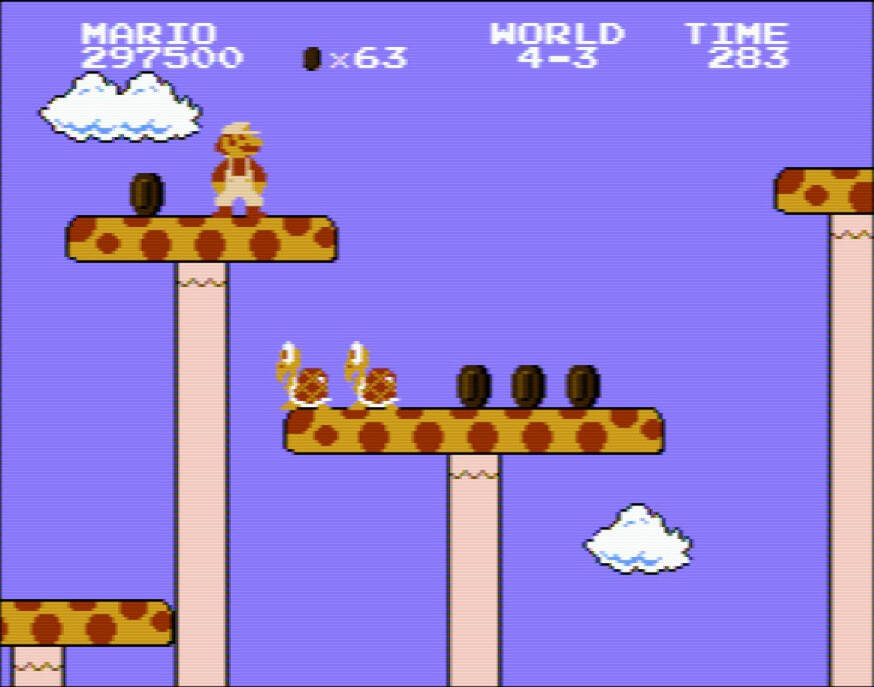
The game’s setting, a vibrant and imaginative world brought to life through graphics and music, creates a magical atmosphere that has enchanted players for decades. The visual design of the Mushroom Kingdom is iconic, featuring bright and colorful landscapes that are both charming and evocative. The character sprites are instantly recognizable, and the attention to detail in the environment adds layers of depth to the world. Koji Kondo’s legendary musical score further elevates the game’s setting, with memorable tunes that have become synonymous with the Mario franchise. The music not only complements the on-screen action but also plays a crucial role in shaping the emotional tone of each level. Combined, the graphics and music work harmoniously to immerse players in a fantastical realm, contributing to the timeless allure of Super Mario Bros.
What Isn’t So Good About the Game
While Super Mario Bros. remains a masterpiece, certain aspects have shown signs of aging over the years. The gameplay, while revolutionary in its time, can feel slightly slippery and less precise compared to contemporary standards. Mario‘s movements may lack the tightness found in modern platformers, occasionally leading to moments of frustration. Additionally, the limited variety in stage themes is noticeable, as the game predominantly features the Mushroom Kingdom’s familiar landscapes. This lack of diversity in settings becomes more apparent when compared to later entries in the Mario series, which expanded the franchise’s universe with varied environments and themes. However, it’s essential to view these aspects through the lens of the game’s historical context, acknowledging that Super Mario Bros. laid the foundation for future innovations and improvements in the platforming genre.
Technical Features
Super Mario Bros. made a groundbreaking impact on the technical capabilities of the NES. The graphics, while modest by today’s standards, were a revelation at the time. The game’s visuals showcased innovative sprite design, smooth scrolling, and vibrant colors that brought the Mushroom Kingdom to life. The iconic character designs, from Mario and Luigi to the various enemies, contributed to the game’s timeless appeal. The attention to detail in the pixel art and the clever use of limited hardware resources highlighted the technical prowess of the development team. Super Mario Bros. pushed the NES to its limits, demonstrating what was possible within the constraints of the era’s hardware and setting a new standard for graphical excellence in the gaming industry.
The music of Super Mario Bros. is nothing short of genius. Composed by Koji Kondo, the game’s iconic soundtrack is etched into the collective memory of gamers worldwide. The cheerful and catchy tunes, including the iconic main theme, elevated the gaming experience to new heights. The melodies perfectly complemented the on-screen action, creating an immersive and memorable atmosphere. Kondo’s work on Super Mario Bros. not only contributed to the game’s success but also became synonymous with the Mario franchise, and even videogames in general. The simplicity and effectiveness of the music showcase Kondo’s mastery in using limited resources to create unforgettable compositions. Decades later, these tunes continue to evoke a sense of nostalgia and joy among players, emphasizing the enduring impact of Super Mario Bros. on the fusion of gameplay and music in the gaming industry.
How Does It Compare
Super Mario Bros. distinguished itself from other games of its time through its sheer innovation and transformative gameplay. In the mid-1980s, the gaming landscape was still evolving, with many titles following a simplistic formula. Super Mario Bros., however, brought a revolutionary approach to platformers. While its contemporaries often relied on single-screen challenges or repetitive gameplay loops, Super Mario Bros. introduced a seamless side-scrolling world filled with diverse environments and creative level design. The dynamic scrolling created a sense of progression, encouraging exploration and discovery. The game’s integration of hidden secrets, warp zones, and varied power-ups set it apart, offering players an unprecedented sense of agency and replayability. Super Mario Bros. not only defined the standards of its era but also laid the foundation for the platforming genre, influencing countless games that followed.
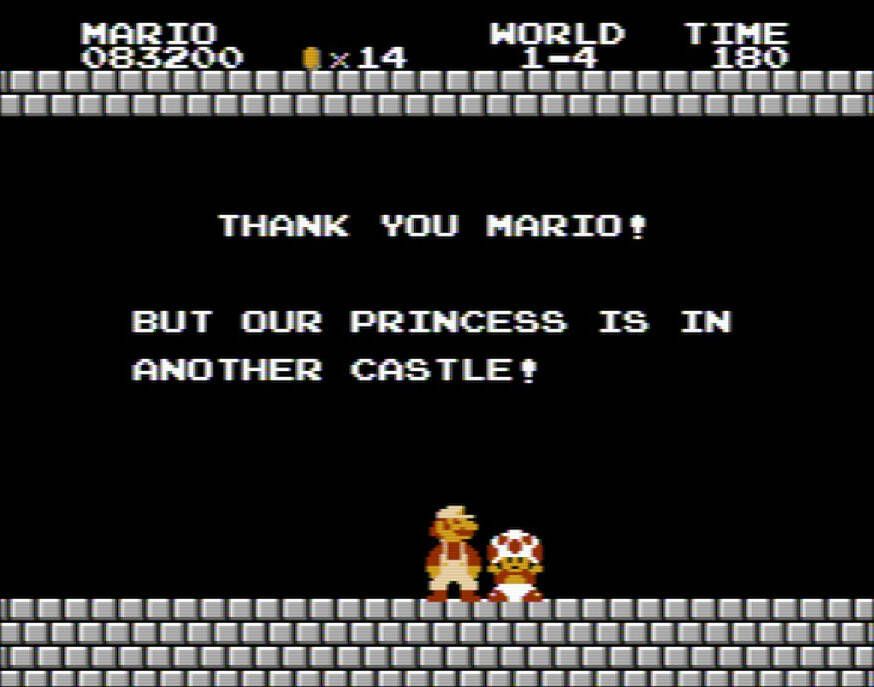
When compared to other platformers of its time, Super Mario Bros. emerges as a trailblazer that set the gold standard. While platformers existed before its release, they often lacked the depth and complexity that Super Mario Bros. introduced. The precise controls, diverse level structures, and the introduction of scrolling levels elevated it above its contemporaries. Games like Pitfall! and Donkey Kong, while notable in their own right, operated within a more constrained design space. Super Mario Bros. showcased a level of creativity and ambition that became a hallmark of Nintendo‘s game design philosophy. Its influence extended beyond the NES, inspiring a new generation of developers to push the boundaries of what was possible in interactive entertainment. In essence, Super Mario Bros. didn’t just compete with other platformers; it redefined the very concept of what a platformer could be.
Is the Game Worth It
The lasting appeal of Super Mario Bros. can be attributed to its timeless design and universal appeal. Decades after its release, the game continues to captivate audiences with its blend of challenge and accessibility. Its influence extends beyond the gaming world, becoming a cultural phenomenon. The recognizable characters, such as Mario and Bowser, have become pop culture icons. The memorable soundtrack, composed by Koji Kondo, remains ingrained in the minds of gamers worldwide. Super Mario Bros. stands as a testament to the power of exceptional gameplay, proving that a well-crafted gaming experience can transcend generations and leave an indelible mark on the industry.
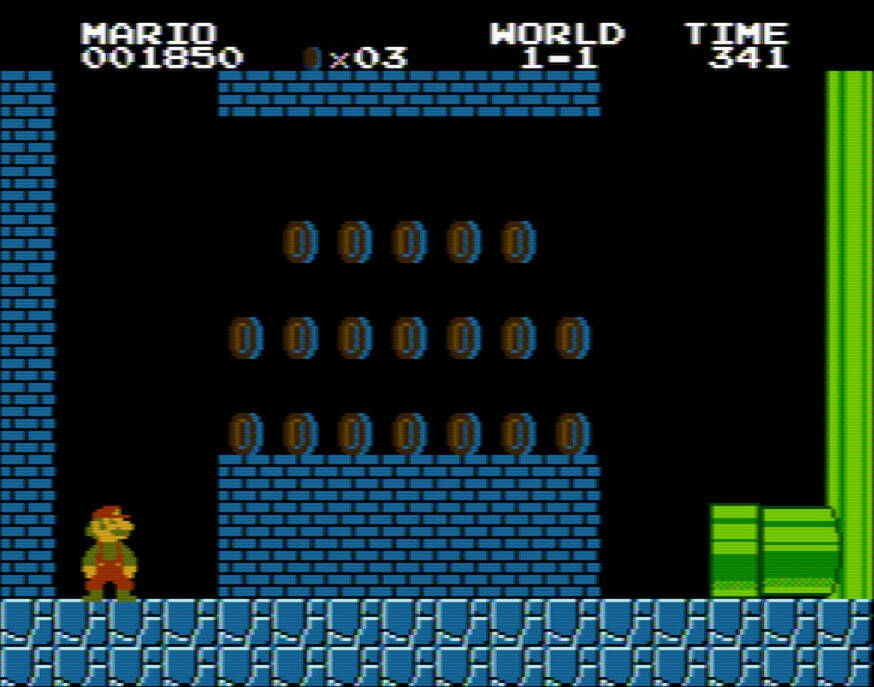
(credit: Citsgames, Nintendo)
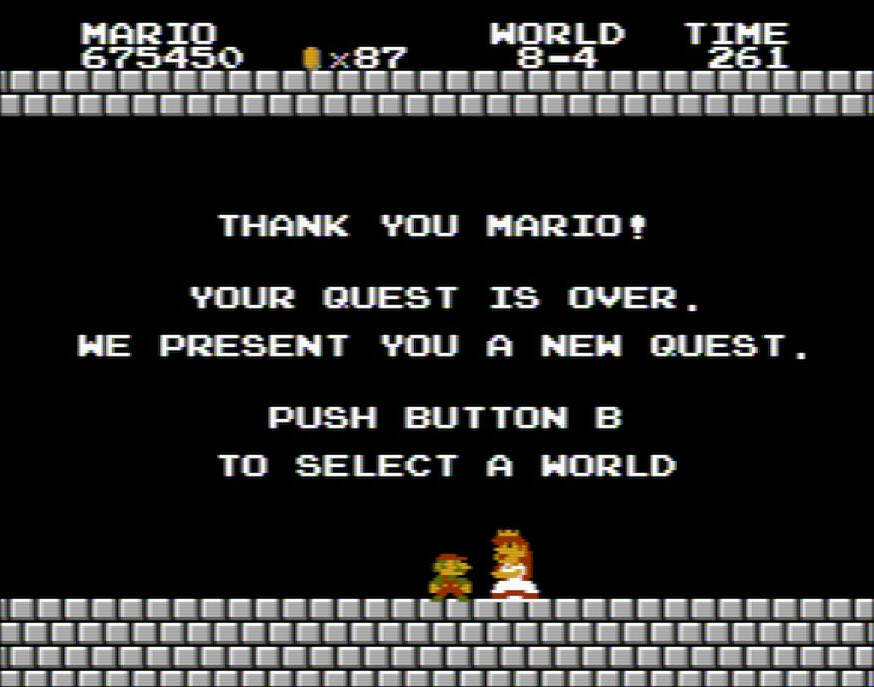
Even for those who didn’t grow up with an NES controller in hand, experiencing this iconic title is akin to stepping into the annals of interactive entertainment history. The magic of navigating the Mushroom Kingdom, stomping Goombas, and saving Princess Peach is an experience that transcends generations. Playing Super Mario Bros. is not just about reliving the past; it’s about appreciating a masterpiece that laid the groundwork for the vibrant and diverse gaming landscape we enjoy today. It’s a journey back to the roots of gaming excellence, a pilgrimage every gamer should undertake to fully grasp the evolution and brilliance of the medium. Super Mario Bros. isn’t just worth playing; it’s an essential pilgrimage for anyone seeking to understand the soul of video games.
Tips and Tricks
– Explore everything: This game is filled with secrets, from pipes, to hidden blocks, and surprises that make you question the laws of Mushroom Kingdom physics. Channel your inner detective and scrutinize every nook and cranny; you never know what’s lurking in the shadows!
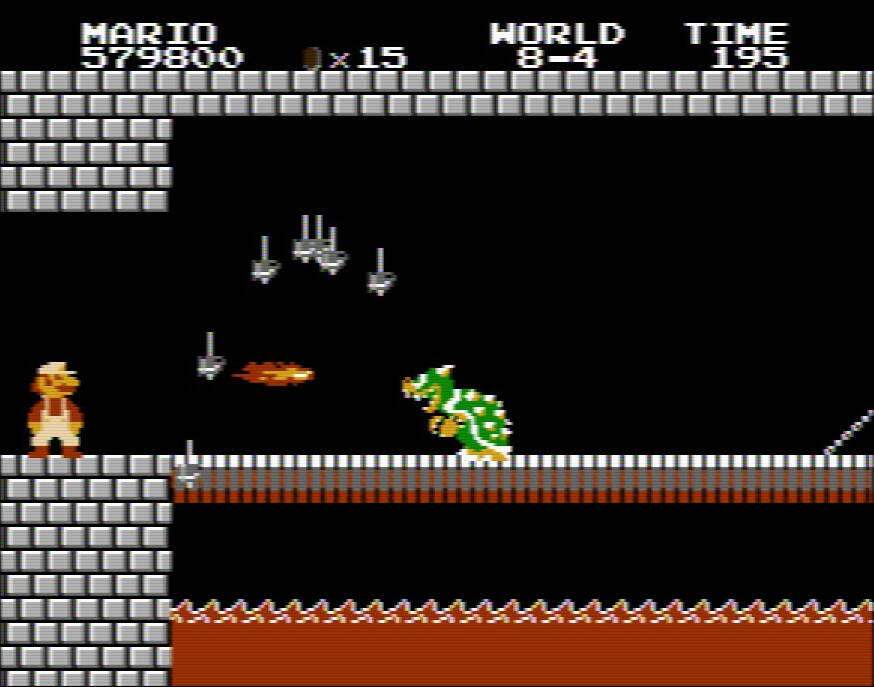
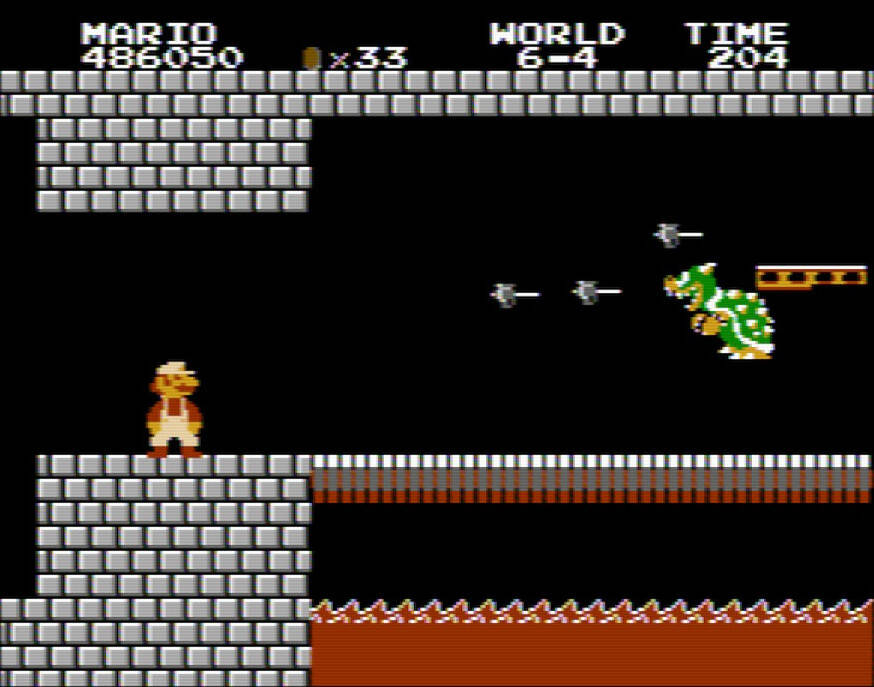
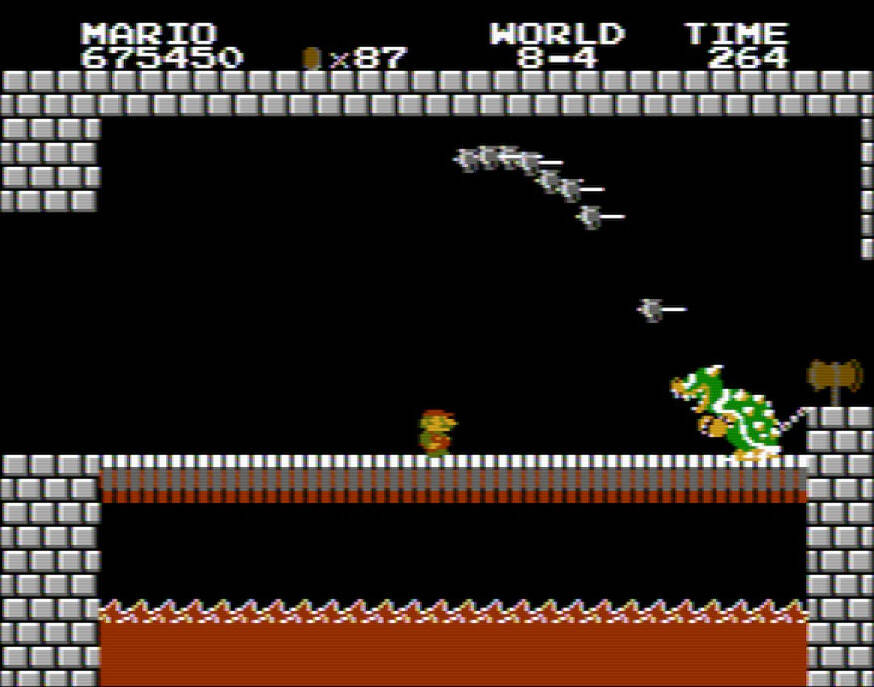
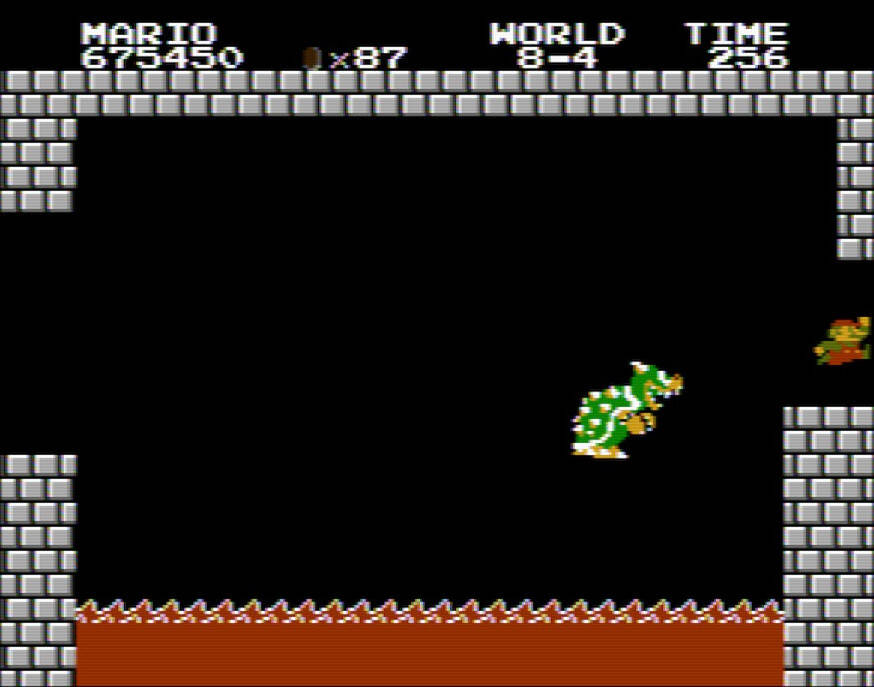
– Arm yourself with style: It’s showdown time with Bowser, and you’ve got options. Want to go all barbarian on him? Snag that axe lurking behind him. Feeling more like a fiery gunslinger? Unleash your inner dragon with some well-aimed fireballs. It’s a multiple-choice exam, and both methods are not just accepted, they’re downright encouraged. Take your pick and show Bowser who’s the real power player in the Mushroom Kingdom.
– 99 Lives: In World 3-1, as Super Mario, witness the Mario version of a magic show. Two turtles will gracefully descend the stairs at the end of the level, near the staircase to stardom (aka the end flag). Execute the perfect leapfrog over the first turtle and then perform a gravity-defying stomp on the second one. Marvel as it hits the stair, does a bouncy dance, and comes back for an encore. Now, hop on and defy the laws of gaming gravity to keep yourself airborne and rake in 99 lives. It’s the Mario version of “I believe I can fly.”
Game Trivia
– The sound effect that is played when you gather a Mushroom or Fire Flower is actually the same theme that is played as you exit a level via the flagpole: it’s just sped up by about 500%.
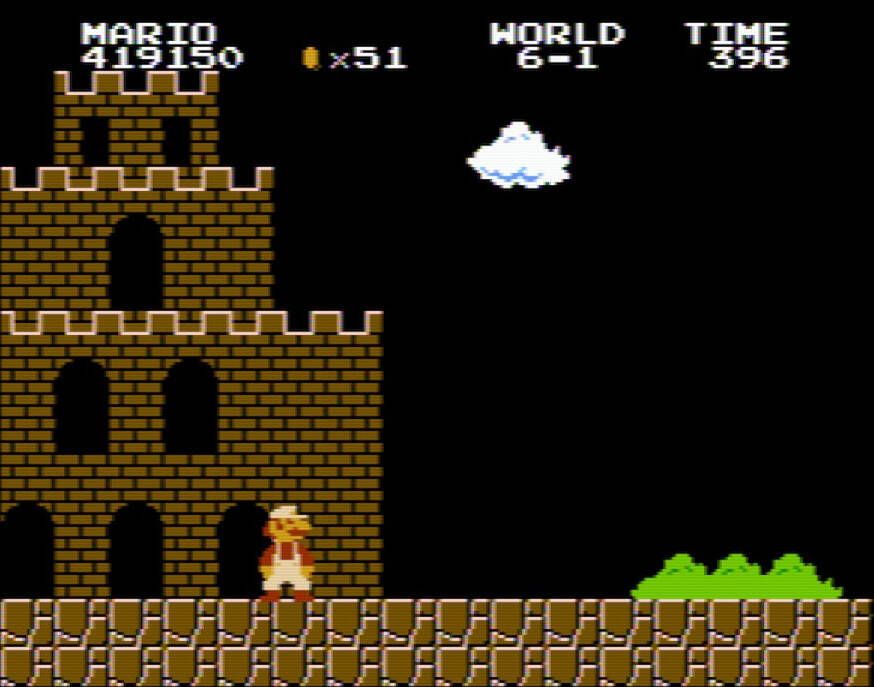
– The bushes you can find in most “grassland” levels are just the upper part of cloud sprites colored green.
– The “Bowsers” in Worlds 1 through 7 are just decoy enemies disguised as Bowser. Their true form can be revealed by defeating them with a fireball.
Score

Gallery
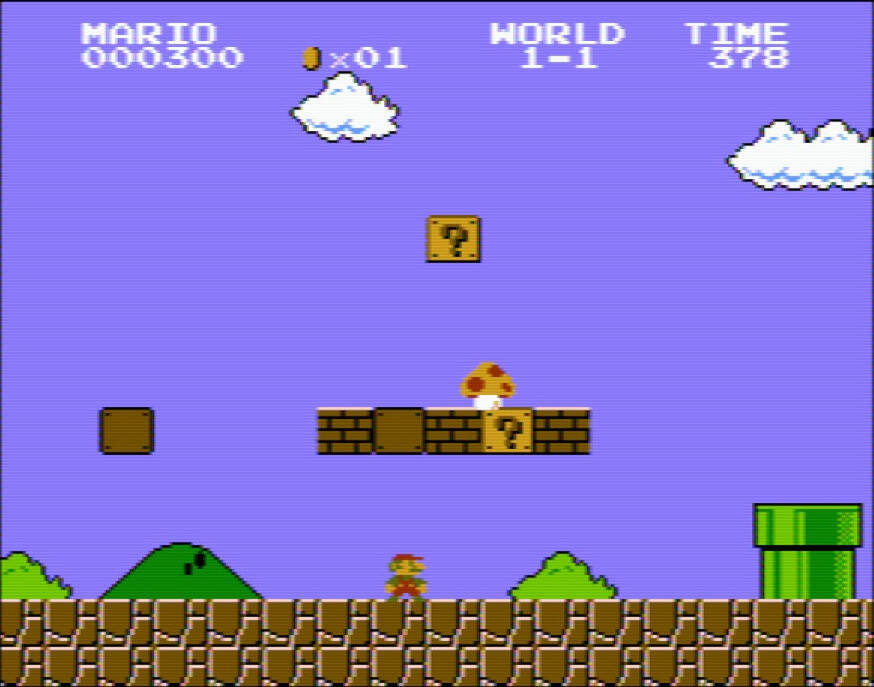
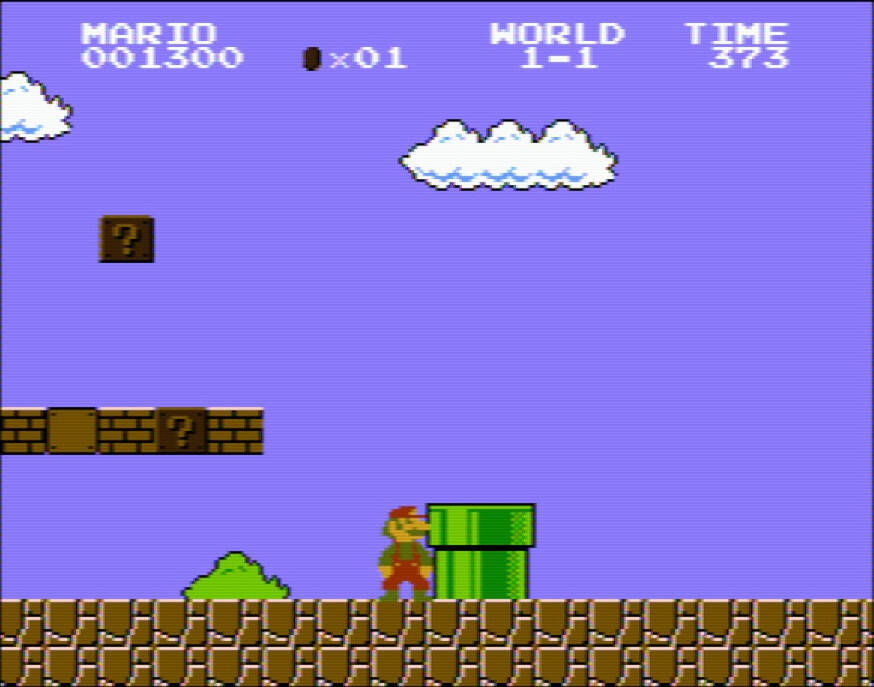
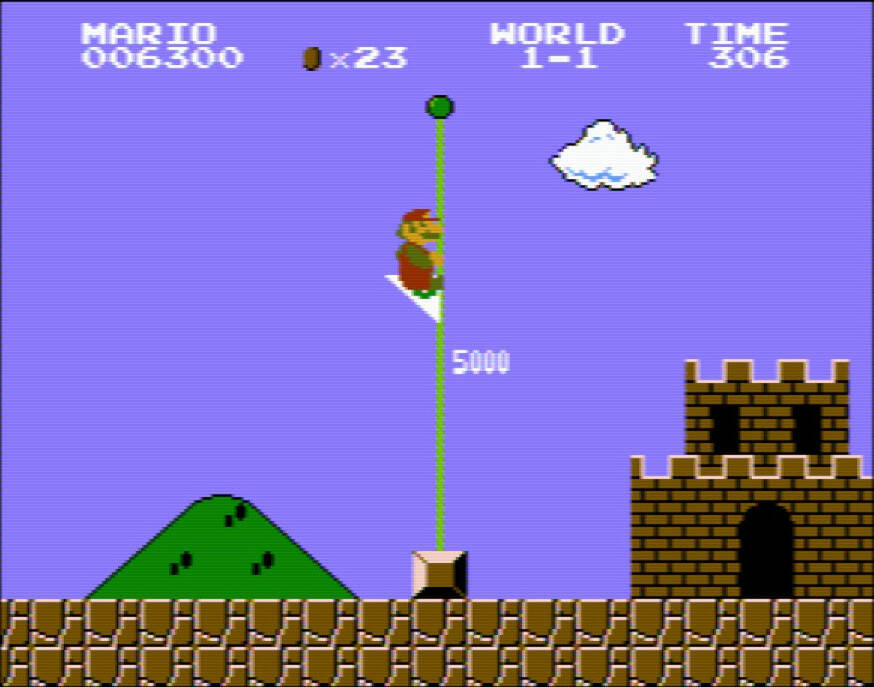
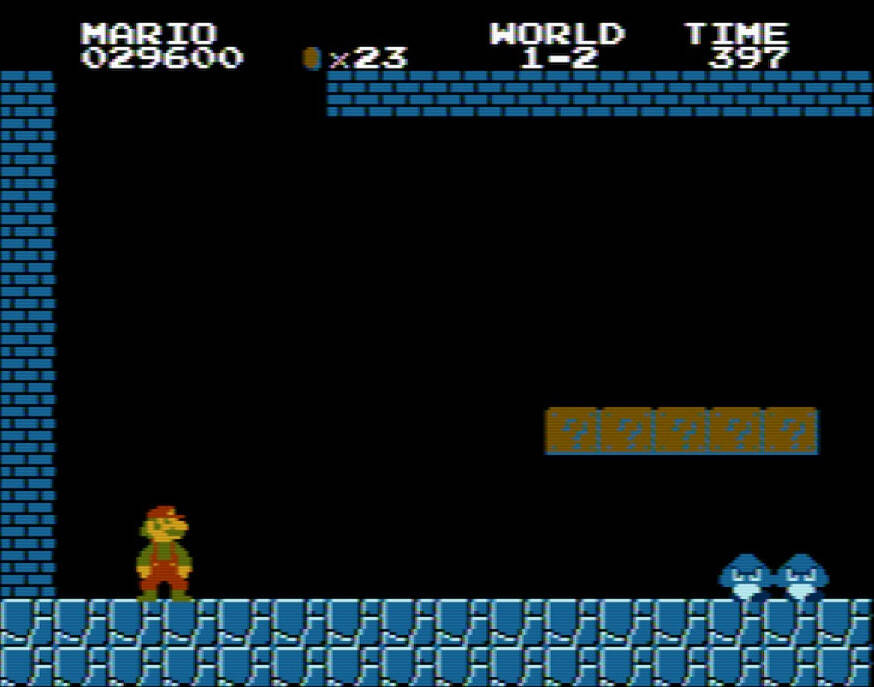

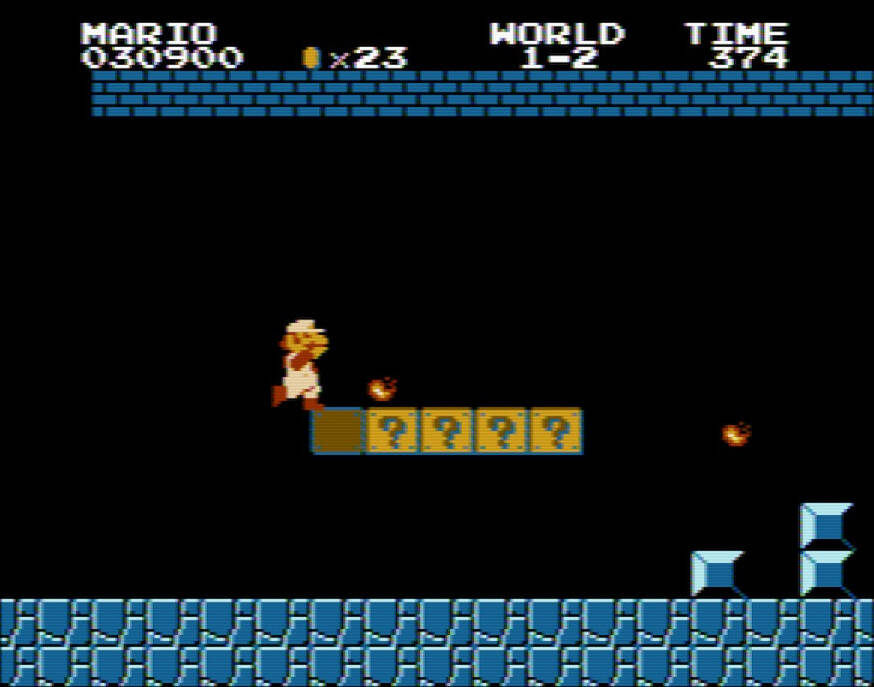

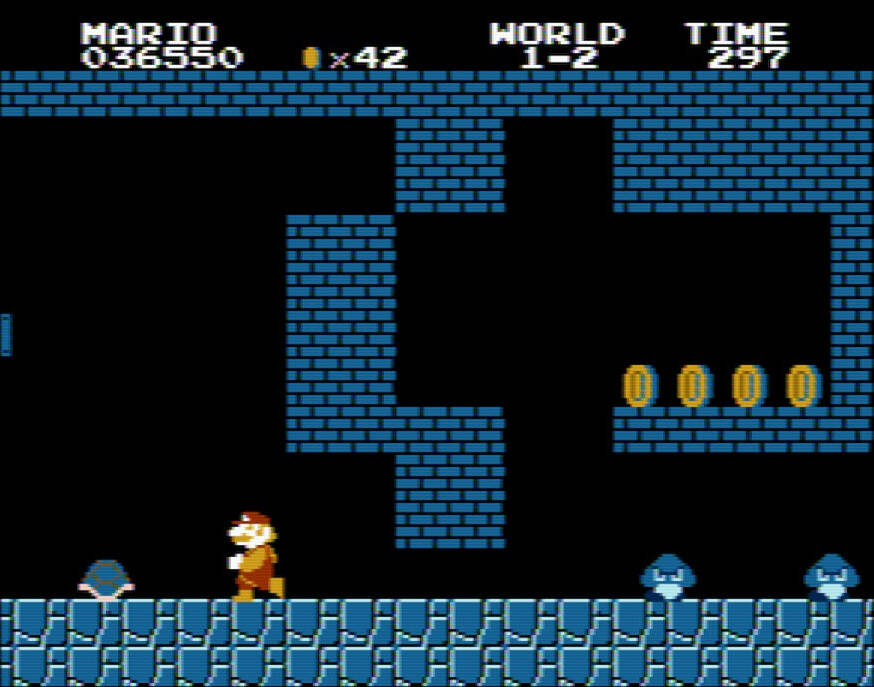
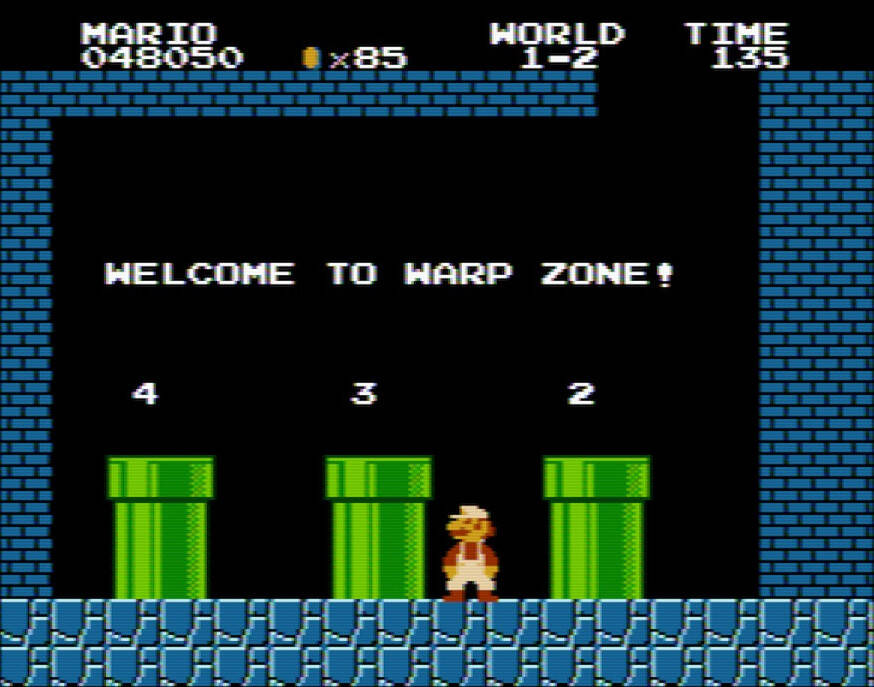
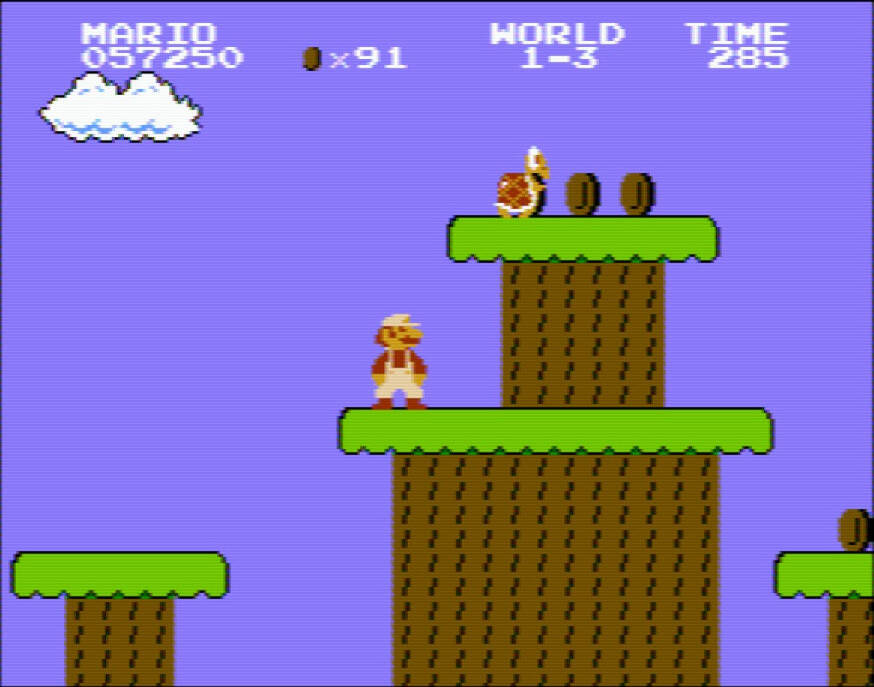
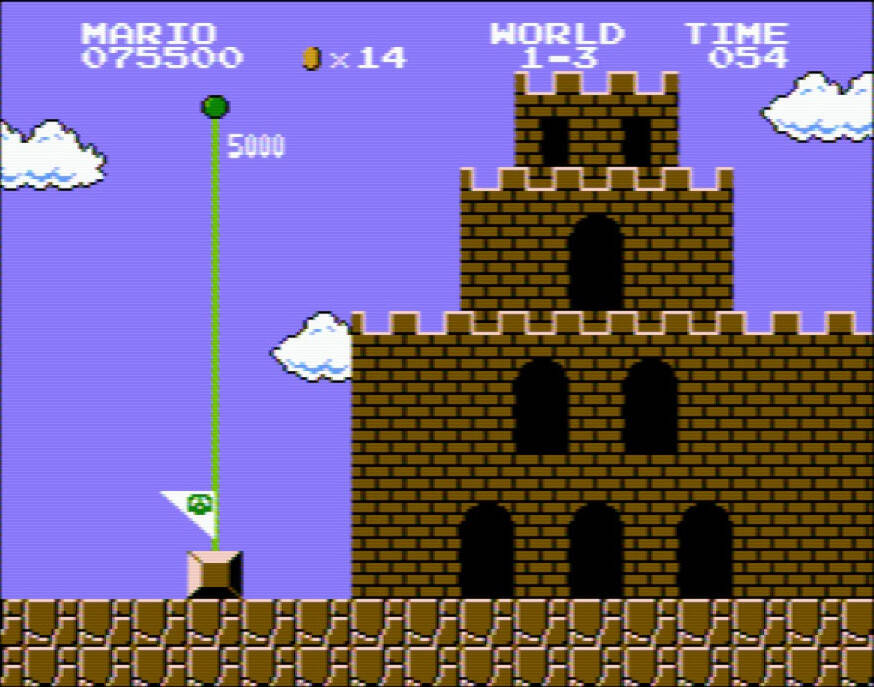
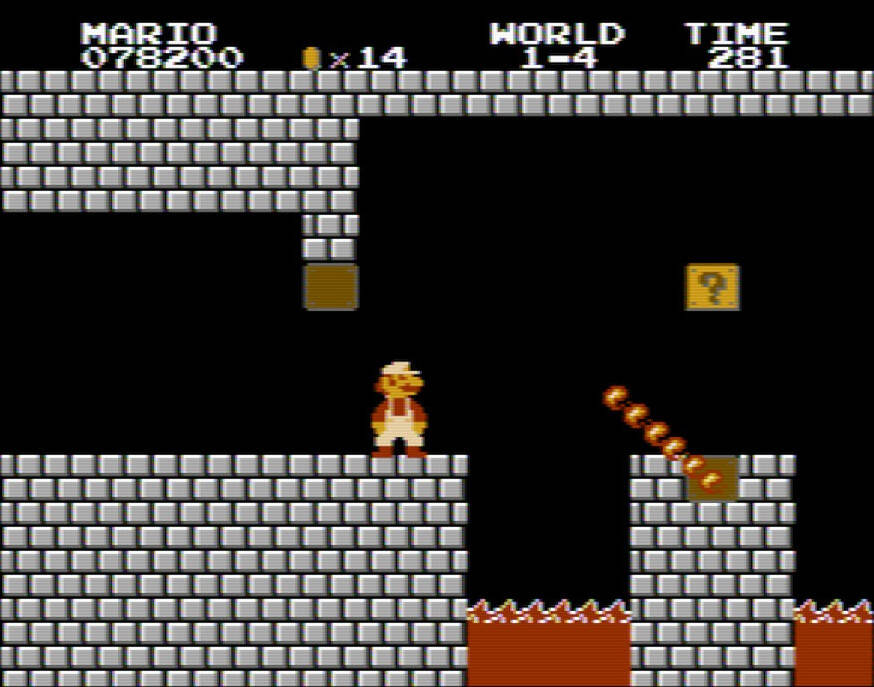
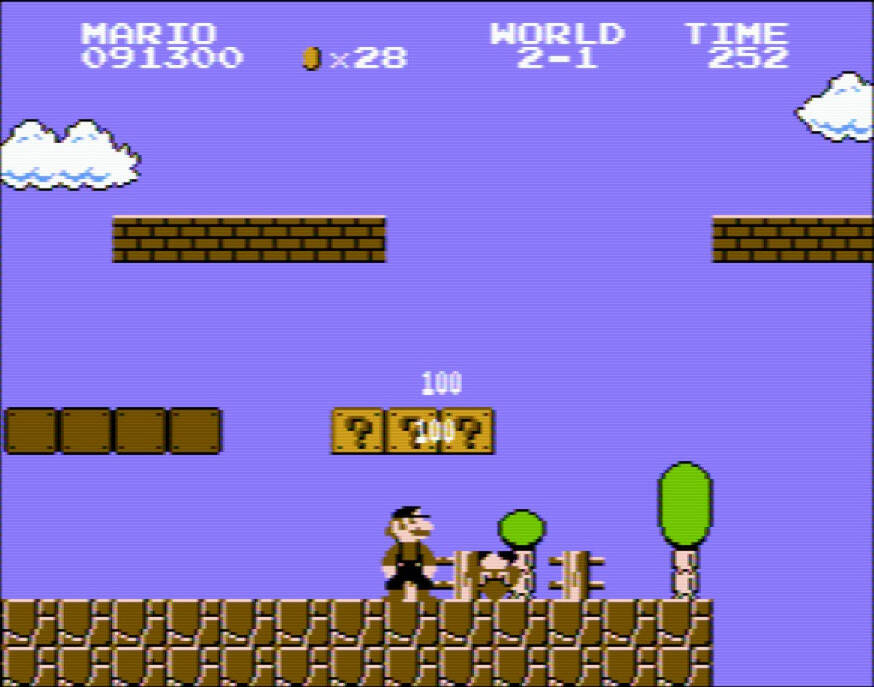
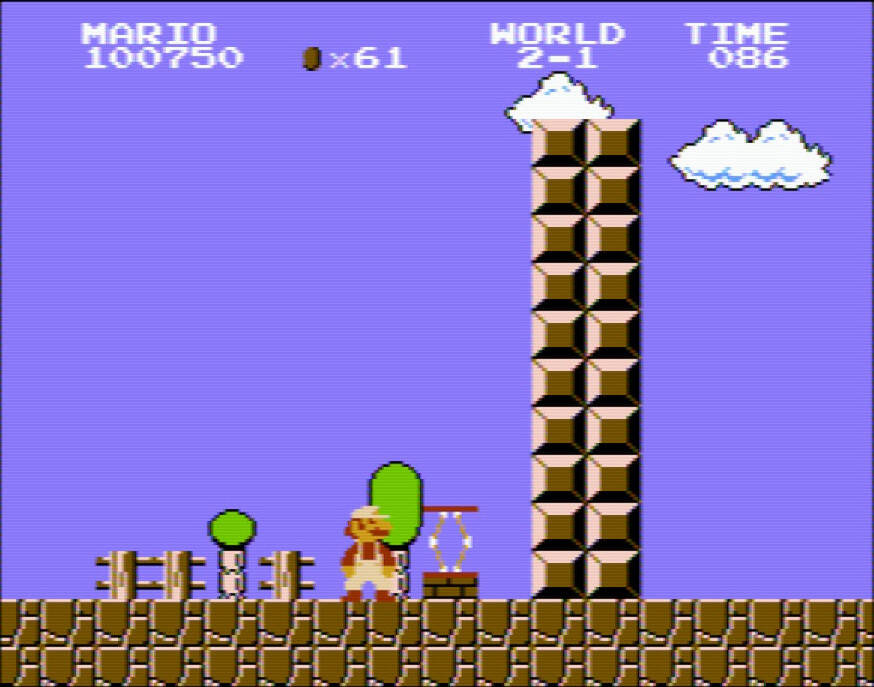
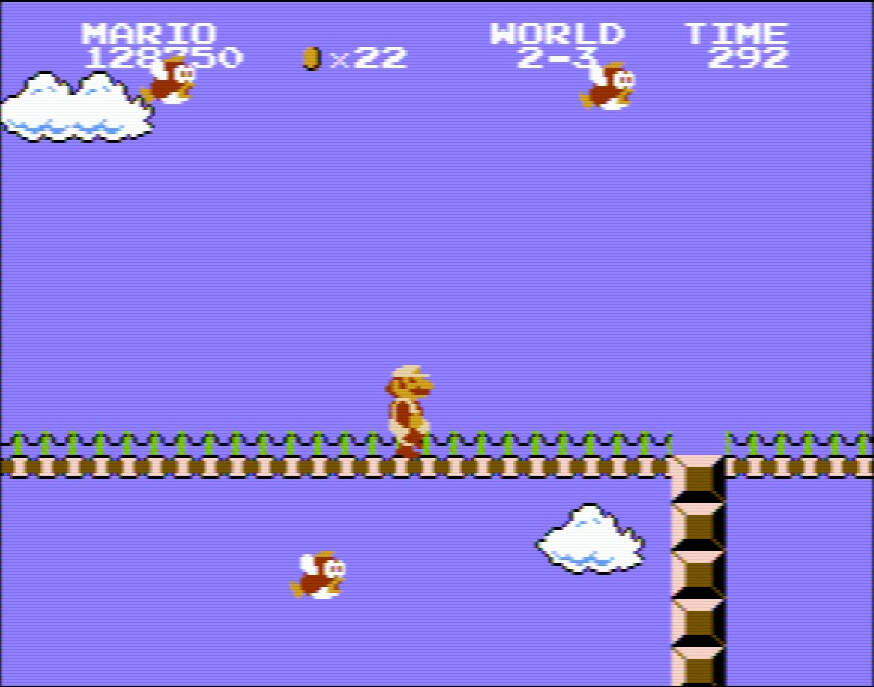
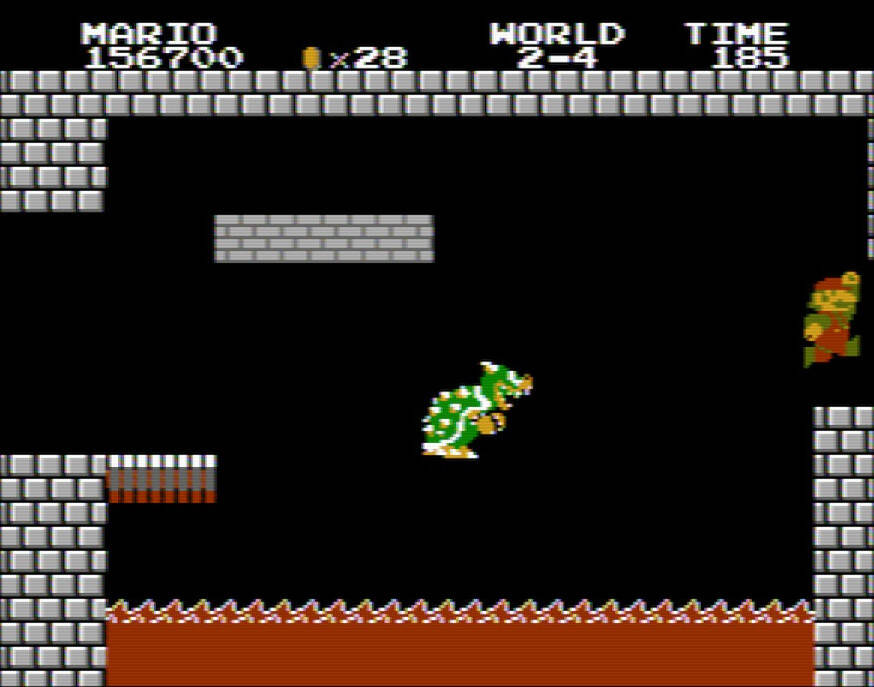

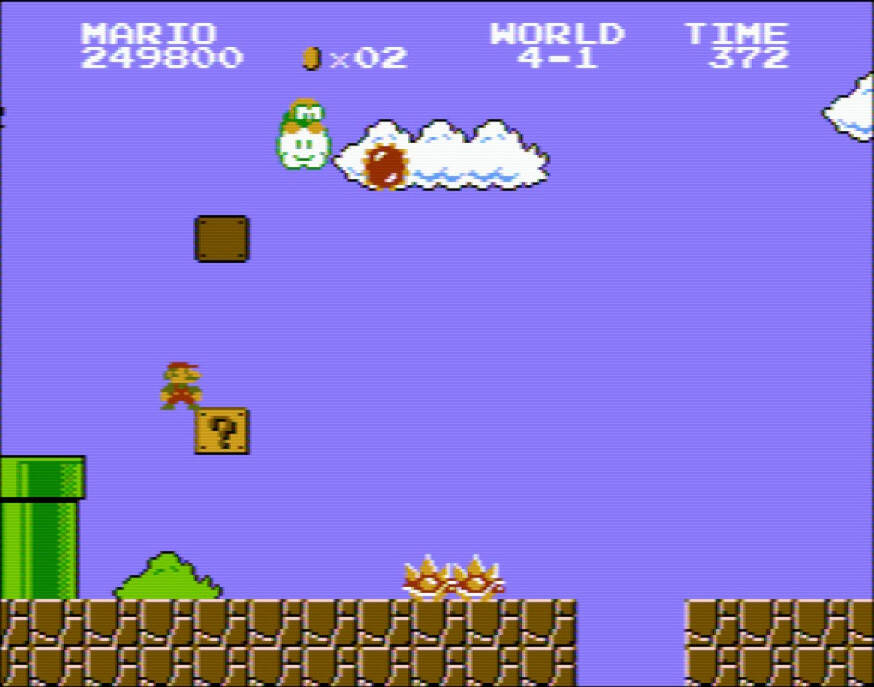
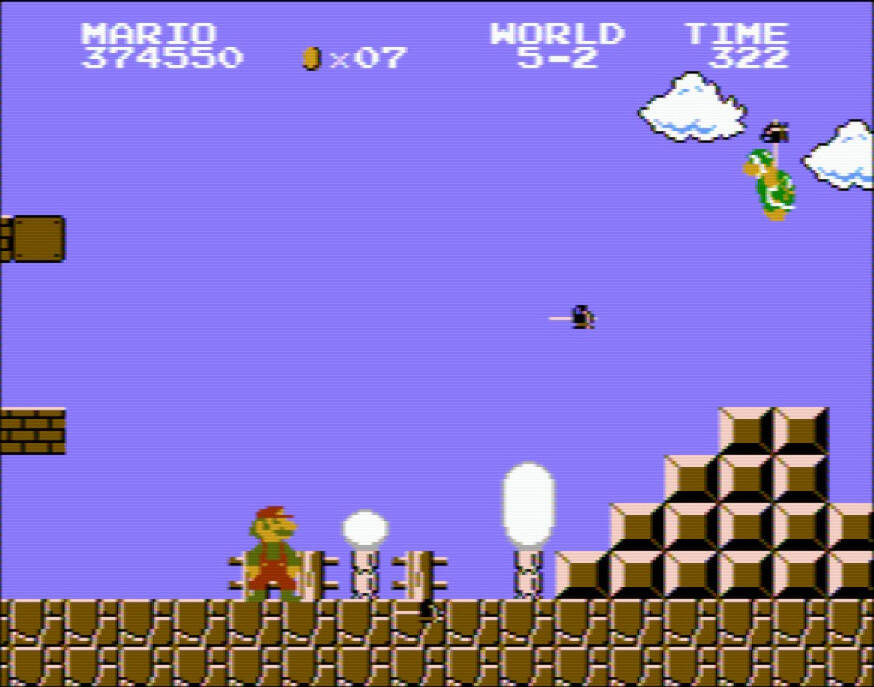


 Citsgames
Share your opinion about this game.