

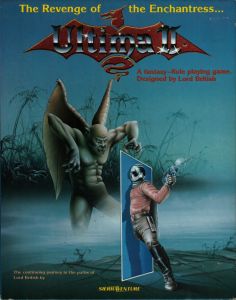
Box art
Technical Information
Platform: PC
Versions played: PC (GOG version)
Developer: Origin
Publisher: Origin
Other versions: Apple II / Atari 800 / Commodore 64 etc.
Release date: Aug/24/1982 (Apple II); Sep/1982 (DOS)
Genre: RPG / Western
Where to play now: GOG
A Controversial Sequel
About the Game
Ultima II: Revenge of the Enchantress boldly steps up as the sequel to the RPG classic that carved a path for the genre. Released on the PC platform, it picks up the tale of the Avatar in the fantastical realm of Sosaria. While its predecessor broke new ground like an enthusiastic puppy with a shovel, Ultima II aimed to take that ambition and run even farther with it. The game attempts to strike a balance between the original’s pioneering spirit and its own fresh ideas, setting the stage for the series’ continued evolution (and a few more inevitable dungeons to get lost in).
How Is the Gameplay
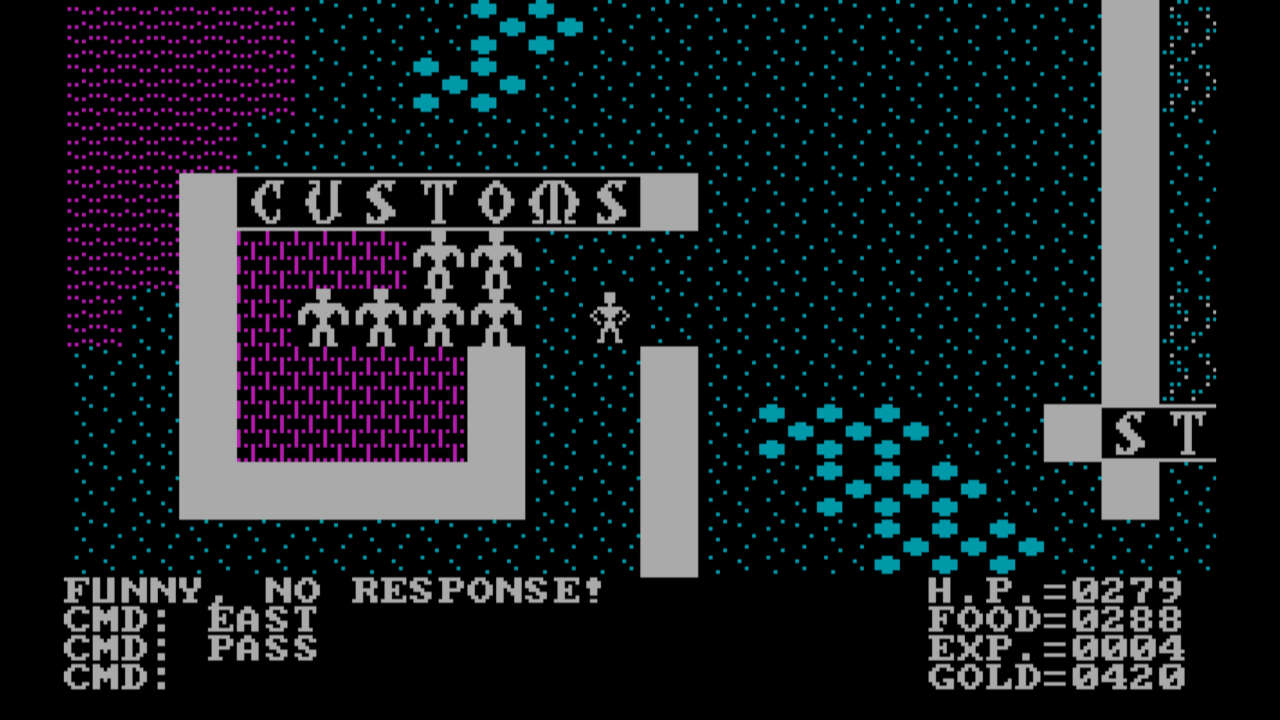
When it comes to gameplay, Ultima II follows closely in the footsteps of its older sibling, sticking with the tile-by-tile exploration and turn-based combat that fans of the original know and love (or tolerate). However, it doesn’t simply retread old ground. The game expanded the world by introducing time travel, giving you the chance to jump between eras, from medieval times to a sci-fi-flavored future Earth. It’s like someone handed your medieval knight a jetpack and said, “Go nuts!” The result is a dynamic playground for exploration, even if it does feel like you’ve wandered into a historical mash-up gone wild.
The game’s interface and controls bring a sense of déjà vu, but also a hint of frustration. Ultima II is a testament to how far we’ve come in gaming. The retro charm is there, but the experience can be as confusing as trying to decipher a medieval manuscript written in an alien language, with each action being linked to a letter in the keyboard.
What’s Good About the Game
Ultima II keeps the Avatar’s saga alive in a fresh and imaginative way. The game ambitiously mixes historical eras and worlds, showing off a creativity that offers you a unique RPG experience. The game pushes the open-world concept even further, granting adventurers more freedom to roam across different time periods and locales.
The storytelling takes some intriguing turns, and the moral choices from the first Ultima are dialed up a notch, making your decisions feel like they actually matter in the grand scheme of things. Ultima II is a stepping stone to the future of RPGs, tossing out ideas that would go on to shape the genre in big ways.
What Isn’t So Good About the Game
For all its ambition, Ultima II can be a bit of a head-scratcher in terms of execution. The transition between time periods and worlds can feel disjointed and confusing, like a jigsaw puzzle with pieces from various sets. The mechanics and controls are relics of a bygone era, frustrating modern players with a distinct lack of user-friendliness.
Navigating the game can feel as perplexing as solving a Rubik’s Cube that’s missing a few colors. It’s a reminder that, like the pet rock, some things are best left in the 1980s. The time gates are a double-edged sword – exciting because you never know where you’ll end up, and equally frustrating for exactly the same reason.
Technical Features
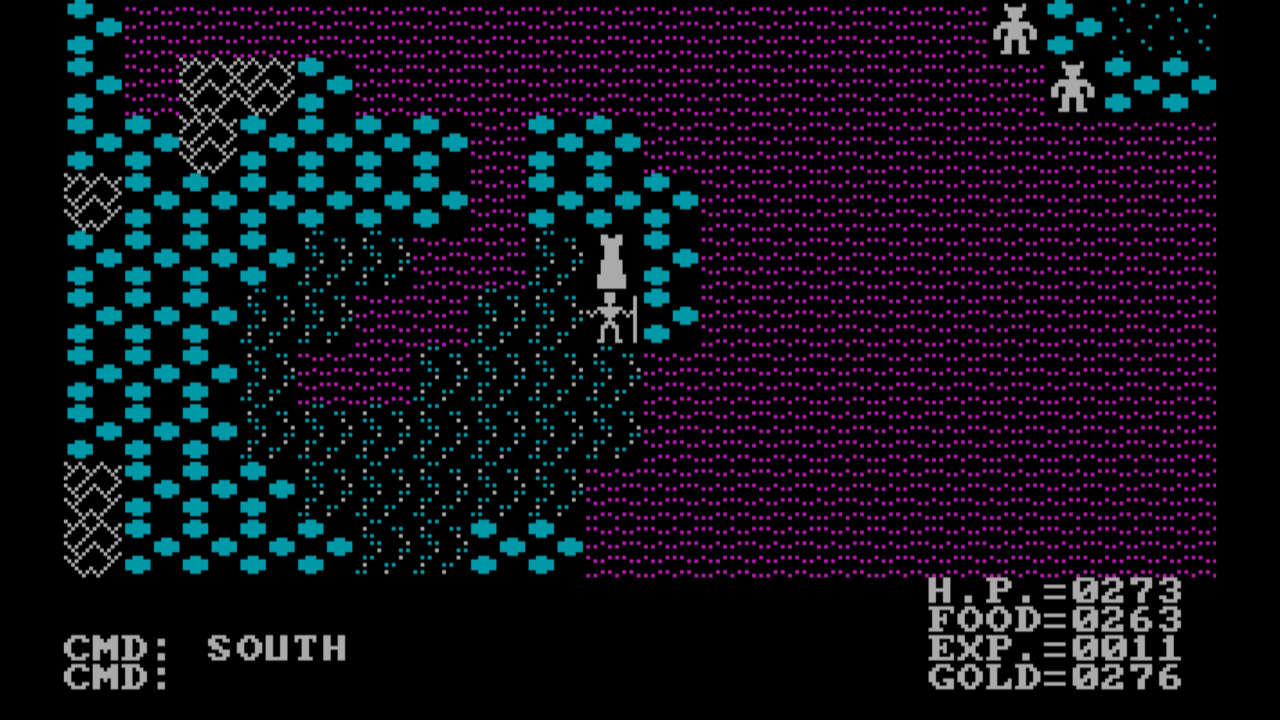
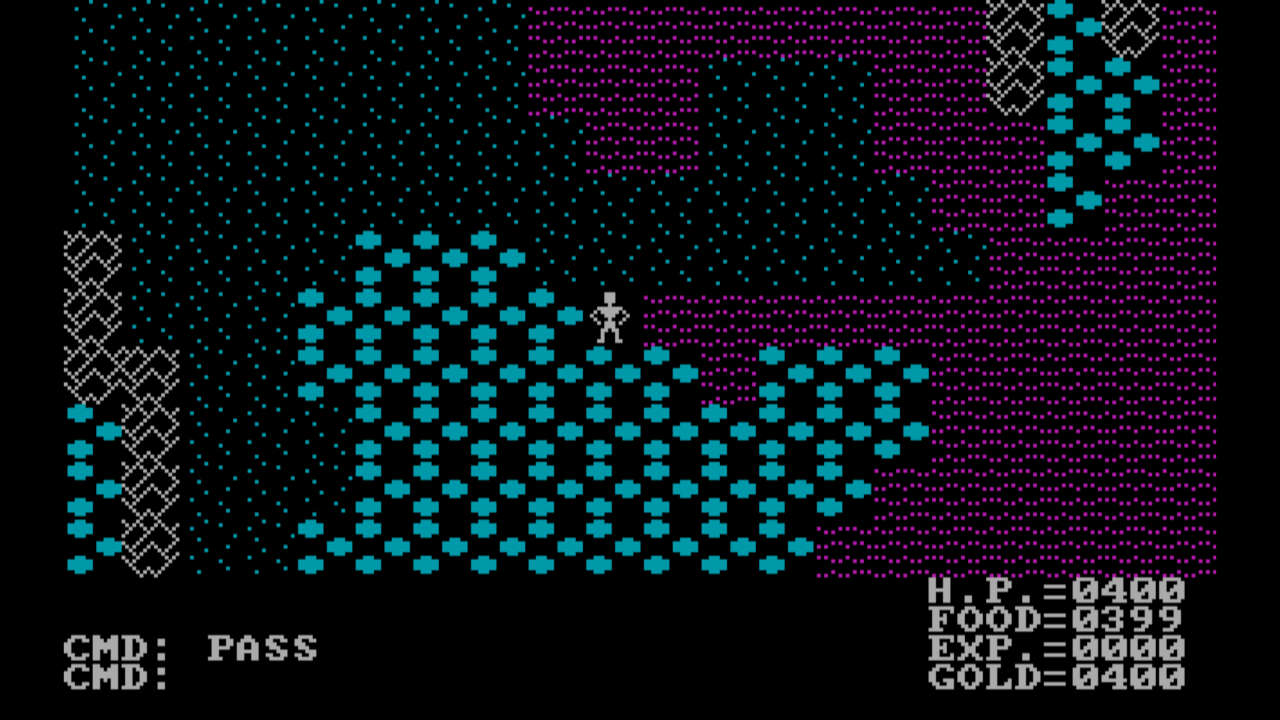
On the technical side, Ultima II sticks to the basics established by its predecessor. The graphics are a step up from cave paintings but still limited to the blocky charm of CGA, making them a bit uglier compared to some of its contemporaries. The sound design is minimalist at best, offering an auditory experience reminiscent of a silent movie with the occasional beep.
However, these technical aspects should be understood within the context of their time. Ultima II makes modest strides beyond the original, enhancing the visual and sound aspects just enough to make the world feel a tad more immersive (if you squint and use your imagination).

How Does It Compare
Compared to the original, Ultima II definitely makes a name for itself by expanding the series into new time periods and adding fresh gameplay elements. However, it sometimes feels like it’s trying to juggle too many ideas at once. It’s like watching a movie sequel that tries to cram in too many genres and ideas, often feeling more like a mishmash than a well-rounded follow-up.
Back in the day, Ultima II had few rivals, with the Wizardry series standing out as the most notable competitor. Yet, the landscape wasn’t exactly in its favor. Computers were pricey and mostly marketed for business, not for pixelated adventures. While the computer game scene was still learning to walk, the console market was already dancing into its third generation, making Ultima II more of an outlier than a trailblazer.
Is the Game Worth It
Ultima II, like its predecessor, is a piece of RPG history worth exploring for those who want to understand the genre’s roots. It’s a historical artifact and a glimpse into the ambitious aspirations of the early RPGs. However, if you’re looking for a polished and immersive RPG experience, Ultima II might not top your list. It’s a game that commands respect for its role in shaping RPGs, even if it hasn’t aged as gracefully as a fine wine but more like a relic from a museum.
Tips and Tricks
– Make Use of Time Travel: Embrace the time travel mechanics in the game, as they provide an opportunity for exploration and discovering different challenges and treasures.
– Take Notes: As with the original game, keeping a notebook handy to jot down key locations and characters can be immensely helpful in navigating this expansive world.
– Save Regularly: Just like in the first game, saving frequently is your safety net in Ultima II. With the occasional quirks and challenging puzzles, saving your progress often is a must.
Game Trivia
– Richard Garriott has stated on various occasions that the time doors and map in this game were inspired by the movie “Time Bandits”
– This game marks the initial release of an Ultima title available on multiple systems.
– Unless considering “Escape from Mt. Drash”, this is the final Ultima game not published by Origin.
Score

Gallery

 Citsgames
Share your opinion about this game.